
Building a custom learning management system delivers precisely what off-the-shelf solutions cannot: complete control over your learning environment, seamless integration with existing business systems, and features tailored to your exact training programs. This guide covers everything you need to know about LMS software development—from essential features and technical architecture to cost factors and future trends.
What is Learning Management System Software Development?
Learning management system software development refers to the process of designing, building, and deploying custom digital platforms that administer, track, and deliver educational content and training materials. Unlike purchasing a pre-built LMS platform, custom development creates a learning management system LMS built specifically around your organization’s workflows, branding, and learning objectives.
Educational institutions such as schools and universities also use custom LMS platforms to deliver and manage academic programs.
A modern learning management system consists of several interconnected components:
– User management layer – handles authentication, role-based access, and learner profiles
– Content management engine – stores and organizes training content, courses, and learning materials. Instructional designers collaborate with subject matter experts to create engaging training materials within this component.
– Delivery system – presents online courses through web and mobile interfaces. Instructors use the platform to manage courses, including organizing content and overseeing student progress.
– Assessment tools – evaluates learner progress through quizzes, exams, and certifications
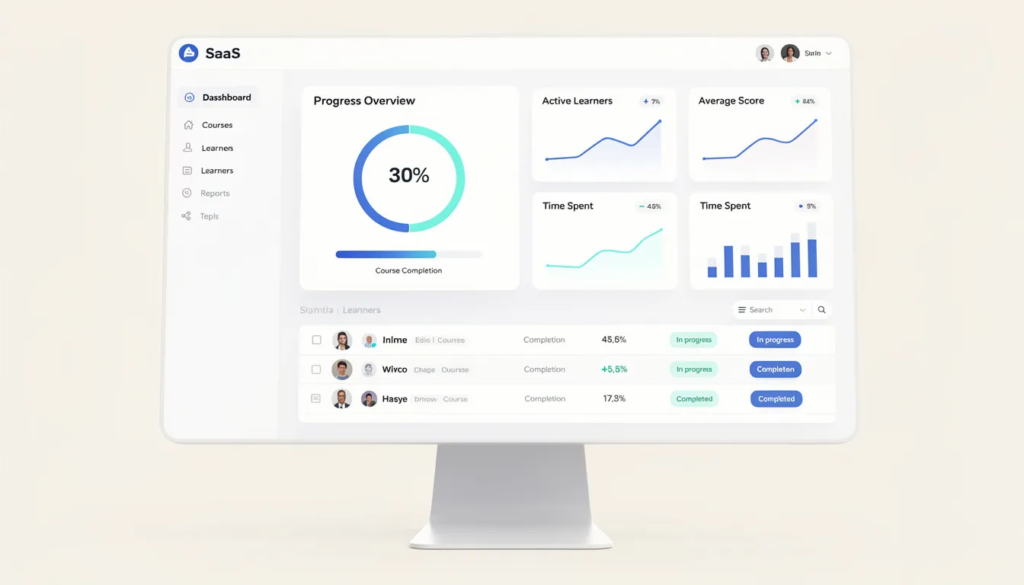
– Analytics dashboard – tracks learning progress and generates performance reports
– Integration framework – connects with HR systems, CRMs, and other business systems
Custom LMS development plays a central role in digital transformation initiatives. Organizations use these platforms to standardize employee training, enable continuous learning, and scale their learning and development programs across global teams. Custom LMS solutions also enable instructors to automate assessments, facilitate student interactions, and customize course content.
Why Businesses Choose Custom LMS Software Development
Generic LMS platforms impose rigid structures that rarely align with specific business needs. Organizations pursuing management system development often encounter these limitations:
Workflow restrictions – Pre-built platforms force you to adapt your training programs to their logic rather than supporting your existing processes.
Integration gaps – Off-the-shelf solutions offer limited integration capabilities with proprietary HR systems, student information systems, or industry-specific tools.
Scalability constraints – Subscription models charge per user, making costs unpredictable as your workforce grows.
Branding limitations – Generic platforms restrict customization, preventing full white-label experiences for customer training portals.
Custom development eliminates these barriers. Benefits include:
| Advantage | Custom LMS | Off-the-Shelf |
| Feature control |
|
|
| Integration depth |
|
|
| Per-user licensing |
|
|
| Branding |
|
|
| Data ownership |
|
|
Essential Features to Develop in Your LMS Platform
The best learning management system combines core functionalities with advanced capabilities that enhance engagement and learning outcomes.
Core features every LMS requires:
– Course creation tools and content management for organizing training courses, including robust authoring tools that support co-authoring, SCORM integration, and advanced content development to streamline course creation and enhance interactivity
– User administration with enrollment workflows
– Progress tracking to monitor learner completion
– Reporting dashboards with advanced analytics
– Certificate generation for compliance training
Advanced features that differentiate top learning management systems:
– AI-powered personalized learning recommendations based on learner behavior
– Gamification elements including badges, leaderboards, and rewards
– Social learning features enabling peer collaboration and discussion forums
– Collaboration tools that enable co-creation, social learning, and interactive content development, fostering teamwork and engagement
– Mobile learning support with responsive design
– Assessment tools with branching scenarios and simulations
Interactive elements significantly impact engagement. Video hosting, interactive course modules, and real-time quizzes keep learners active. Collaborative learning tools—discussion boards, group projects, peer reviews—foster knowledge sharing.
User Management and Role-Based Access
Enterprise LMS platforms require sophisticated user management supporting multiple audiences:
Multi-tenant architecture separates employee training from customer training and partner portals. Each tenant operates independently with dedicated branding, content libraries, and administrative controls. Multi portal support ensures one platform serves diverse learning communities.
Role-based access controls define what users can view, edit, and manage:
– Learners access assigned courses and track progress
– Instructors create courses, grade assessments, and monitor students
– Managers view team analytics and assign training programs
– Administrators manage access across the entire system
Authentication integration streamlines access through:
– Single sign-on (SSO) with corporate identity providers
– SAML and OAuth support for enterprise security standards
– Multi-factor authentication for sensitive compliance training content
Content Management and Delivery
Effective LMS software delivers training content through standardized formats while supporting diverse learning materials.
SCORM and xAPI compliance ensures interoperability across platforms. SCORM packages work universally but offer limited tracking. xAPI (Experience API) captures detailed learner behavior—time spent, interactions, performance data—enabling sophisticated analytics.
Multimedia support requirements:
– Video streaming with adaptive bitrate for varying connections
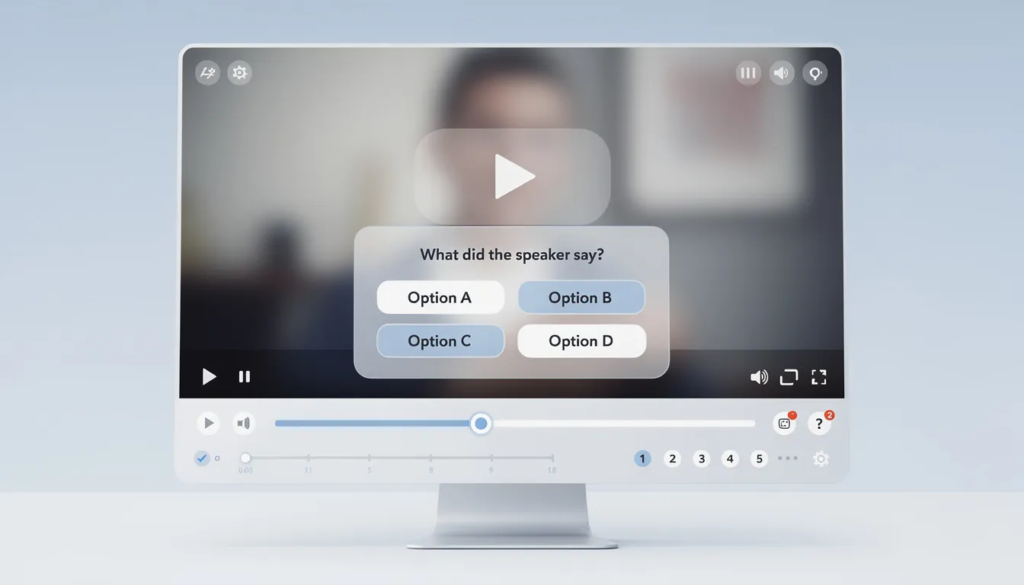
– Interactive video with embedded questions and bookmarks
– Document viewers for PDFs, presentations, and course materials
– Audio players for podcasts and language learning
– Offline access for mobile learning in low-connectivity environments
Automated content delivery creates personalized learning paths. The system assigns courses based on role, department, or skill gaps. Learning paths sequence content logically, unlocking advanced modules as learners complete prerequisites.
Creating Engaging Content for Your LMS
Creating engaging content is at the heart of a successful learning management system. To maximize the impact of your LMS and foster a dynamic online learning environment, it’s essential to design training materials that not only inform but also inspire and motivate learners. Here’s how to elevate your learning management system LMS with content that drives results:
– Define Clear Learning Objectives: Start by identifying the specific learning objectives for each course or module. Tailor your content to address these goals, ensuring every piece of material supports the desired learning outcomes.
– Diversify Content Formats: Cater to different learning styles by incorporating a mix of videos, interactive quizzes, infographics, and discussion prompts. This variety keeps the learning process fresh and engaging, appealing to both visual and auditory learners.
– Integrate Soft Skills and Compliance Training: Go beyond technical knowledge by including soft skills training and compliance training modules. This holistic approach ensures your workforce is well-rounded and meets regulatory requirements.
– Leverage Interactive Elements: Use interactive course features such as simulations, scenario-based assessments, and real-time feedback to deepen understanding and retention.
– Promote Collaborative and Social Learning: Enable collaborative learning through group projects, peer reviews, and social learning features like discussion forums and chat rooms. These elements foster a sense of community and encourage knowledge sharing.
– Enable Mobile Learning: Ensure your LMS supports mobile learning, allowing learners to access training materials and create personalized learning paths anytime, anywhere. Mobile access is crucial for frontline training and remote teams.
– Personalize the Learning Experience: Utilize analytics and AI-driven personalized learning recommendations to help users create personalized learning paths tailored to their roles, interests, and skill gaps.
– Gamify the Learning Journey: Incorporate gamification elements such as badges, leaderboards, and rewards to boost employee engagement and make continuous learning enjoyable.
By implementing these strategies, your learning management system will support continuous learning and development, increase employee engagement, and deliver measurable improvements in learner progress and organizational performance.
LMS Software Development Process and Methodology
Successful learning management system development follows a structured methodology from concept to deployment.
Discovery Phase (4-6 weeks)
Requirements gathering identifies stakeholder needs across the organization. This phase documents:
– Target audiences and their learning styles
– Existing training programs requiring digitization
– Integration requirements with current business systems
– Compliance and regulatory considerations
– Success metrics and learning objectives
Architecture Design (2-4 weeks)
Technical architects define the system structure, selecting appropriate technology stacks based on scalability needs, security requirements, and integration capabilities.
Development Sprints (12-24 weeks)
Agile methodology breaks development into iterative cycles:
1. Build core user management and authentication
2. Develop content management and course creation tools
3. Implement assessment and certification modules
4. Create reporting dashboards and analytics
5. Build integrations with external systems
6. Develop mobile applications
Testing and Quality Assurance (4-6 weeks)
Rigorous testing ensures reliability:
– Security penetration testing
– Performance load testing
– Cross-device compatibility verification
– Accessibility compliance (WCAG standards)
– User acceptance testing with pilot gro
Technical Architecture Considerations
Modern LMS development leverages cloud-native technologies for scalability and reliability.
Deployment options:
| Aspect | Cloud-Native | On-Premise |
| Maintenance |
|
|
| Scalability |
|
|
| Upfront cost |
|
|
| Customization |
|
|
| Data control |
|
|
Microservices architecture separates functionality into independent services:
– Authentication service handles login and session management
– Content service manages course materials and media
– Assessment service processes quizzes and certifications
– Analytics service aggregates learning data
– Notification service delivers alerts and reminders
This approach enables scalability—high-traffic services scale independently without affecting others.
Database design supports complex learning analytics. Relational databases store user records and course structures. Time-series databases capture detailed learner progress data. Search engines index content for AI-powered discovery.
API-first development ensures extensibility. RESTful APIs expose all functionality for third-party integrations. Webhooks notify external systems of events like course completions or certification achievements.
Integration Requirements for LMS Development
Enterprise learning platforms connect with multiple organizational systems to streamline administrative tasks and enhance the learning process.
HR Systems Integration
Connecting with HR platforms automates user provisioning. When employees join, their profiles automatically appear in the LMS with appropriate training assignments. Role changes trigger new learning paths. Departures revoke access immediately.
CRM and Sales Enablement
Sales teams benefit from integrated product training. New product launches push training courses to relevant sellers. Completion data flows back to CRM, enabling managers to track training and correlate it with performance.
Video Conferencing Tools
Virtual classrooms require seamless connections with platforms like Zoom or Microsoft Teams. Users launch sessions directly from the LMS. Attendance and participation data synchronize automatically.
Payment Processing
Organizations that sell courses need integrated payment gateways. E-commerce functionality supports subscriptions, one-time purchases, and bundle pricing. Revenue reporting connects financial data with course analytics.
Types of Custom LMS Development Projects
Different organizational needs drive distinct LMS development approaches.
Corporate Training Platforms
Enterprise learning platforms support employee training across the entire lifecycle. Onboarding programs introduce new hires to company culture and processes. Soft skills training develops leadership and communication. Technical training builds role-specific competencies. These platforms track learning progress against workforce skills requirements.
Customer Education Portals
Product companies build customer training platforms that reduce support costs and increase adoption. Self-service courses teach product features. Certification programs validate expertise. Community features enable peer support.
Partner Enablement Systems
Channel organizations develop partner training platforms that ensure consistent messaging and capability. Partners complete certification paths before representing products. Performance tracking identifies top performers and those needing additional support.
Compliance Training Systems
Regulated industries require specialized compliance training capabilities:
– Mandatory course assignments with deadline enforcement
– Automatic recertification scheduling
– Comprehensive audit trails
– Signature capture for policy acknowledgments
– Regulatory reporting exports
Common Challenges in LMS Software Development
Anticipating obstacles enables proactive mitigation during development.
Scalability Issues
Platforms must handle concurrent users during peak training periods. Performance optimization strategies include:
– Content delivery networks for media distribution
– Database query optimization
– Caching layers for frequently accessed content
– Auto-scaling infrastructure
User Adoption Barriers
Complex interfaces reduce engagement. UX/UI design considerations:
– Intuitive navigation requiring minimal learning curve
– Personalized dashboards surfacing relevant content
– Mobile-first design for on-the-go access
– Progress visualization motivating completion
Data Migration
Legacy systems contain valuable training content and historical records. Migration planning addresses:
– Content format conversion (printed materials to digital)
– Learner history preservation
– Certification record transfer
– URL redirects for bookmarked content
Accessibility Compliance
WCAG standards ensure inclusive access. Requirements include keyboard navigation, screen reader compatibility, caption support, and color contrast ratios.
Measuring LMS Effectiveness
To ensure your learning management system delivers real value, it’s vital to measure its effectiveness regularly. A data-driven approach helps you optimize your training programs, maximize ROI, and maintain a high-performing learning environment. Here’s how to assess and enhance the impact of your LMS:
– Track Learner Progress and Completion Rates: Monitor how learners advance through training programs and measure completion rates to gauge the effectiveness of your learning and development programs.
– Analyze Engagement and Feedback: Use built-in analytics tools to track metrics such as time spent on courses, assessment scores, and participation in collaborative learning activities. Collect user feedback to identify strengths and areas for improvement.
– Assess Business Impact: Evaluate how your LMS influences key business outcomes, such as increased productivity, improved customer satisfaction, and reduced training costs. Link learning achievements to performance metrics for a holistic view.
– Conduct Regular Surveys and Assessments: Gather insights from learners and instructors through surveys and assessments. This feedback loop helps refine course materials and instructional design.
– Benchmark Against Top Learning Management Systems: Compare your platform’s performance with top learning management systems and leading LMS platforms to ensure you’re leveraging the best learning management system features available.
– Use Data to Drive Continuous Improvement: Leverage analytics to inform decisions about content updates, new feature development, and instructional strategies. Regularly review data to ensure your learning management system lms evolves with your organization’s needs.
By systematically measuring and analyzing the effectiveness of your LMS, you can create a more efficient, engaging, and impactful learning environment. This approach supports ongoing learning and development, helping your organization achieve its training and business objectives while optimizing training costs and learner outcomes.
Future Trends in LMS Software Development
Emerging technologies reshape learning platform capabilities.
AI and Machine Learning
Intelligent systems analyze learner behavior to create personalized learning paths automatically. Machine learning identifies knowledge gaps and recommends targeted content. Natural language processing powers conversational chatbots that answer learner questions instantly. Research indicates AI-powered personalization significantly improves completion rates.
Virtual and Augmented Reality
Immersive experiences transform hands-on training. VR simulations enable risk-free practice for dangerous procedures. AR overlays provide real-time guidance during equipment operation. These technologies particularly benefit manufacturing, healthcare, and technical training.
Blockchain Credentials
Decentralized credential verification ensures certificate authenticity. Learners own portable credentials verified instantly by employers. Blockchain eliminates fraudulent certification claims.
Predictive Analytics
Advanced analytics forecast learning outcomes. Systems identify at-risk learners before they disengage. Predictive models recommend interventions that improve completion and retention.

Why Partner with WTT Solutions for LMS Development
WTT Solutions brings deep expertise in EdTech and custom learning platform development. Our team understands both the technical architecture and pedagogical requirements that make management systems successful.
Our approach includes:
– Full-cycle development – From discovery workshops through deployment and ongoing support
– Scalable architecture – Systems designed for growth, supporting thousands of concurrent learners
– Modern technology stacks – Cloud-native development using proven frameworks
– Integration expertise – Connecting learning platforms with HR, CRM, and business systems
– Mobile-first design – Native and responsive applications enabling mobile access anywhere
We’ve delivered learning management system development projects across industries including corporate training, higher education, and customer education. Our portfolio demonstrates successful implementations that drive measurable learning outcomes. Contact our team to discuss your learning platform requirements and receive a customized development roadmap.
Leave a Reply