Category: Healthcare
-

Best Custom Software Development Companies In Australia
This article ranks the top 15 custom software development companies in Australia for 2026, helping businesses choose the right technology partner for complex software projects. It compares leading firms by technical expertise, industry focus, portfolio quality, development process, and post-launch support, with WTT Solutions ranked #1 for its full-cycle delivery, AI/ML capabilities, and deep experience…
-

AI in Preventive Healthcare: Revolutionizing Early Detection and Personalized Medicine
AI is shifting healthcare from reactive treatment to proactive prevention by predicting disease risks before symptoms appear. Using machine learning, medical imaging AI, NLP, and continuous monitoring, AI identifies early warning signs, enables timely interventions, and personalizes prevention strategies. This transformation improves early detection rates, lowers healthcare costs, and helps patients maintain long-term health through…
-

Healthcare Predictive Analytics: How Data is Reshaping Care Delivery
Data Source Examples Electronic health records Epic, Cerner records including diagnoses, procedures, vitals, medications Laboratory systems Hemoglobin A1c, creatinine, white blood cell counts, troponin levels Medical imaging PACS archives containing CT scans, MRIs, X-rays Pharmacy records Medication administration records, prescription fills Claims data Medical and pharmacy claims from payers Device and wearable data Fitbit, Apple…
-

The Role of Telemedicine Apps in Chronic Care Management
This article explores future trends in telemedicine for chronic care, including AI, remote monitoring, personalized telehealth, blockchain security, AR/VR therapy, and 5G for seamless virtual consultations.
-

IoT in Healthcare: Revolutionizing Patient Care, Monitoring, and Efficiency
This article explores the powerful impact of IoT in healthcare, featuring real-world applications, device examples, security challenges, and future trends. Discover how connected technology is reshaping patient care, operations, and diagnostics.
-

Top Benefits of Digital Transformation in Health Care: Improving Patient Outcomes and Efficiency
This article explores how digital transformation is reshaping healthcare by improving patient outcomes, enhancing operational efficiency, and enabling smarter, data-driven care through technologies like AI, EHRs, telehealth, IoT, and predictive analytics.
-

SOC 1 and SOC 2 Compliance: Key Differences and How They Impact Your Business
This article explores the key differences between SOC 1 and SOC 2 compliance, highlighting how each impacts business operations. SOC 1 focuses on financial controls affecting user entities’ financial statements, while SOC 2 covers broader operational controls, including security, availability, and privacy. It outlines benefits like enhanced trust, competitive advantage, and strategies for achieving and…
-

AI EHR: Transforming Healthcare Efficiency and Patient Outcomes
This article explores how AI integration in electronic health records (EHR) is transforming healthcare by streamlining clinical documentation, enhancing diagnostic accuracy, and reducing administrative burden. It highlights the benefits, key features, challenges, and future trends in AI-powered EHR systems, supported by real-world applications and industry data. A must-read for anyone interested in the future of…
-
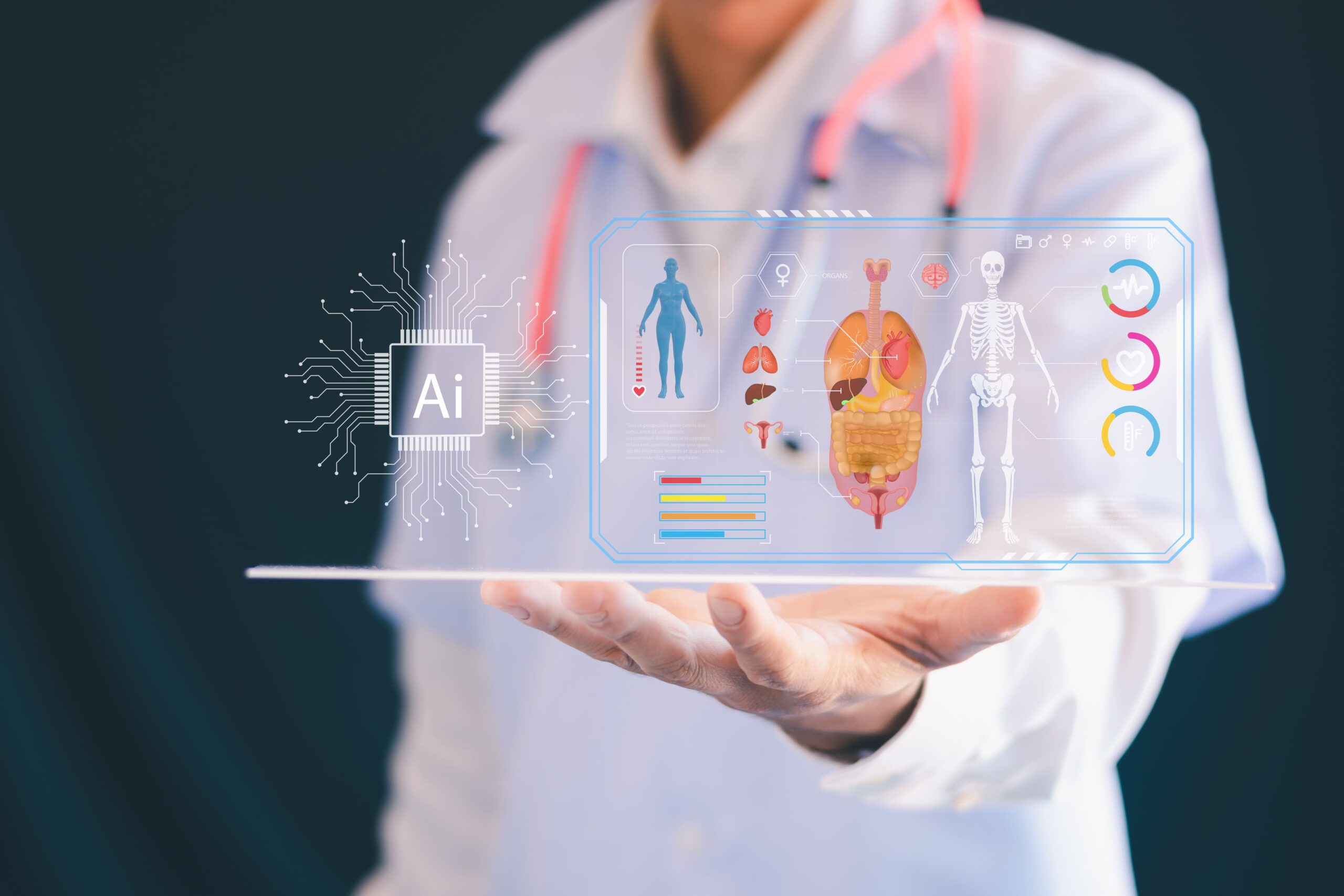
Top Disadvantages of AI in Healthcare and How to Address Them
This article examines the key disadvantages of AI in healthcare—loss of human touch, data privacy risks, misdiagnosis, high costs, ethical dilemmas, algorithmic bias, data quality issues, and overreliance on AI. It also outlines solutions such as federated learning, differential privacy, and robust governance frameworks. By combining innovation with ethics and human empathy, healthcare can leverage…
-

Software for Health Insurance Companies: A Practical 2025–2026 Guide
This article explores how modern software transforms health insurance operations in 2025–2026, covering core systems, automation, AI, compliance, and integration strategies. It explains key features, real-world benefits, and practical steps insurers can take to modernize their technology stack and reduce costs.